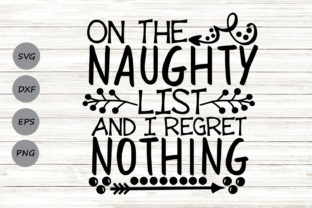
On the Naughty List Crafts a Festive Brand Identity
A First Impression That Sparks Joy
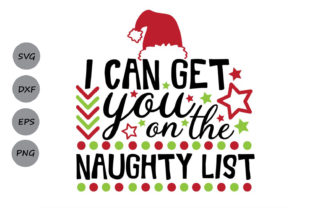
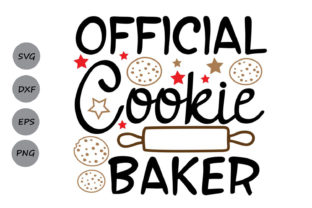
When I first opened On the Naughty List, I was immediately struck by its playful yet refined aesthetic. The design exudes a sense of warmth and nostalgia, evoking the spirit of holiday cheer while maintaining a clean and modern edge. It feels like something you'd find in a boutique during the holiday season—handmade, yet polished. This graphic design asset is perfect for small businesses that want to infuse their brand with a festive, approachable personality.
Fitting for Handmade and Seasonal Brands
On the Naughty List has a strong visual language that aligns well with handmade businesses, seasonal campaigns, and local stores that want to stand out. Its whimsical elements suggest a brand that values creativity, tradition, and community. Whether it's a bakery, candle shop, or handmade soap business, this design can help reinforce a brand identity rooted in craftsmanship and heart.
Design Applications Across Business Needs
As a brand designer, I see numerous ways to integrate On the Naughty List into various design projects. From logo design to packaging accents, this asset can elevate product labels, hang tags, and thank-you cards. It’s also ideal for social media graphics, website banners, and promotional ads. For instance, using it as a hero graphic on a boutique's online store can create an immediate emotional connection with customers.
- Product Labels: Add a touch of festivity to your product labels without overwhelming the text.
- Packaging Design: Use it as an accent on gift boxes, wrapping paper, or seasonal packaging.
- Social Media Graphics: Create eye-catching posts that align with your brand’s seasonal theme.
- Marketing Visuals: Incorporate it into flyers, posters, and print inserts for a cohesive look.
Building Trust and Recognition Through Visual Consistency
One of the key benefits of using On the Naughty List is how it supports stronger first impressions and clearer visual hierarchy. By consistently applying this design across all branding materials, small businesses can build trust and recognition. Customers will start to associate your brand with the same joyful, handcrafted feel that On the Naughty List conveys.
Additionally, this asset helps create more professional packaging and better shelf appeal. When used thoughtfully, it can make your products stand out in a competitive market. Whether it's a home decor shop or a food label, the right application of On the Naughty List can enhance customer trust and drive sales.
Where It Shines Brightest
On the Naughty List works best in areas where visual storytelling and brand personality are key. It shines particularly well in product labels, packaging accents, hero graphics, and decorative brand elements. It’s also a great fit for promotional banners, product mockups, and seasonal campaign visuals. For example, using it as a background for a thank-you card can add a personal touch that resonates with customers.
Where Caution Is Advised
While On the Naughty List is versatile, there are situations where it should be used carefully. It may not be the best choice for formal corporate branding or luxury minimalist designs, as its playful nature could clash with a more serious tone. Similarly, it might not work well on very small labels or crowded product packaging where clarity is essential.
It’s also important to avoid using it in areas with heavy text or legal information, as the design elements could compete with important content. In low-contrast backgrounds, the vibrancy of On the Naughty List might become overwhelming. Always test it on real packaging mockups and consider how it interacts with other design elements.
Practical Brand Designer Notes
As a designer, I recommend testing On the Naughty List on actual packaging mockups to ensure it looks great in context. Check how it performs in black and white to confirm its versatility. Preview it on small labels to ensure readability and proportion.
Before finalizing any design, compare it with competitor packaging to maintain uniqueness. Confirm the commercial license to ensure it can be used for client work or physical product sales. Review PNG transparency and SVG editability when relevant, especially if you plan to use it in digital formats or vector editing tools.
Test it beside different font styles—serif, sans serif, script, and display fonts—to ensure it complements your brand’s typography. Finally, always keep in mind that the right design asset can transform a small business into a memorable brand experience.