What the Elf for Crafts
A Digital Product Creator’s Take on What the Elf
As a digital product creator who regularly sells on Etsy, Creative Fabrica, and print-on-demand platforms, I’m always on the lookout for graphic design assets that can elevate my product offerings. Recently, I came across What the Elf, a design that immediately caught my eye with its whimsical charm and potential for versatility. Before adding it to my collection, I wanted to evaluate how well it could fit into my existing workflow and what kind of products it might support.
The First Impression
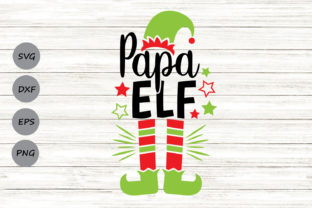
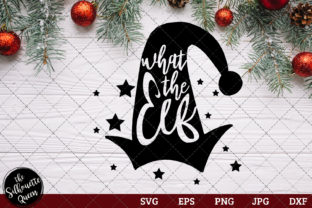
What the Elf is a playful yet refined illustration that exudes a sense of warmth and nostalgia. Its style feels like something you’d find in a handmade gift shop or a cozy holiday market. The character is approachable, with a subtle level of detail that suggests care and intention. It doesn’t scream “festive” but instead offers a more understated charm that can work across multiple seasons and themes.
This makes it a great fit for crafts and creative projects that require a touch of personality without being too overtly seasonal. Whether used as a standalone graphic or part of a larger design, What the Elf has the potential to feel both unique and relatable to buyers looking for something special.
Where Can What the Elf Be Used?
What the Elf is incredibly versatile, making it a valuable addition to any digital product creator’s toolkit. Here are some real-world applications I’ve considered:
- SVG Designs: Perfect for Cricut projects, this asset can be easily converted into scalable vector graphics for use on t-shirts, mugs, and tote bags.
- PNG Designs: Ideal for printable wall art, planner stickers, and greeting cards, these files offer high quality and clean transparency.
- Clipart Bundles: Pairing What the Elf with other festive or seasonal graphics can create cohesive design sets for digital downloads.
- Sublimation Designs: The illustration’s soft colors and intricate details make it suitable for sublimation onto fabric and other heat-transfer materials.
- Canva Templates: Use What the Elf as a central element in social media graphics, blog headers, or invitation templates to add visual interest.
- Sticker Design: The character works well as a standalone sticker for planners, journals, or packaging.
- T-shirt Design: With its friendly appearance, What the Elf can be a hit on apparel, especially during the holiday season.
- Mug Design: A simple placement on a mug can transform it into a charming keepsake or promotional item.
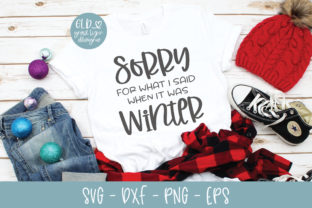
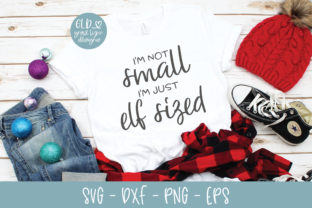
- Product Mockups: What the Elf adds personality to mockups, helping to showcase products in a more engaging way.
Enhancing Product Presentation
One of the most important aspects of selling digital products is how they look in their final form. What the Elf can significantly impact the visual appeal of your listings, especially when used in product previews and thumbnails.
When testing the design, I found that it performs well in mockup previews and thumbnail images. It stands out against white backgrounds and maintains its clarity even when scaled down. This makes it ideal for use in marketplace listings where first impressions matter.
What the Elf also supports brand consistency by offering a recognizable visual element that can be repeated across different products and marketing materials. Whether used as a logo, a recurring graphic, or a signature design, it helps build trust and familiarity with your audience.
Where to Use It Carefully
While What the Elf is a strong design, there are a few situations where it might not be the best fit. For example, it may not be ideal for tiny sticker details due to its intricate features. When scaling down, some elements may become unclear or lose their impact.
Additionally, using What the Elf on dark backgrounds can reduce its contrast and make it less visible. It’s important to test how it looks on both light and dark surfaces to ensure it remains effective in all contexts.
For products that require clean cutting lines, such as Cricut or Silhouette projects, the SVG file should be inspected for sharp edges and proper path structure. While the design itself is well-constructed, it’s always wise to verify the file quality before production.
Practical Seller Notes
Before publishing any product featuring What the Elf, I recommend testing it in several real-world scenarios:
- Test on Real Mockups: Use tools like Placeit or Fotor to see how the design appears on different products.
- Preview as Marketplace Thumbnail: Ensure it looks good at small sizes and on various background colors.
- Check Print Colors: If planning to sell physical products, test the color accuracy and resolution.
- Verify PNG Transparency: Make sure the file has a clean alpha channel for use in layered designs.
- Inspect SVG Cut Quality: Confirm that the vector paths are clean and ready for cutting.
- Confirm File Resolution: High-resolution files are essential for professional-looking products.
- Organize Files Clearly: Provide clear labels and instructions for customers to ensure ease of use.
- Pair with Appropriate Fonts: Test the design with serif, sans-serif, script, and display fonts to find the best combination.
- Confirm Commercial License: Always ensure you have the right to sell finished products based on the asset’s licensing terms.
Final Thoughts
What the Elf is a thoughtful graphic design asset that offers a blend of charm and practicality. It’s a great fit for crafts and creative projects that require a touch of personality and visual appeal. Whether you’re creating printable designs, digital downloads, or merchandise, this asset can help elevate your product lineup and attract a wider audience.
By carefully testing its performance in different formats and contexts, you can ensure it fits seamlessly into your digital product strategy. With the right approach, What the Elf can become a valuable addition to your creative toolkit, supporting both your business goals and your brand identity.